Kitchens Edinburgh · est. 1983
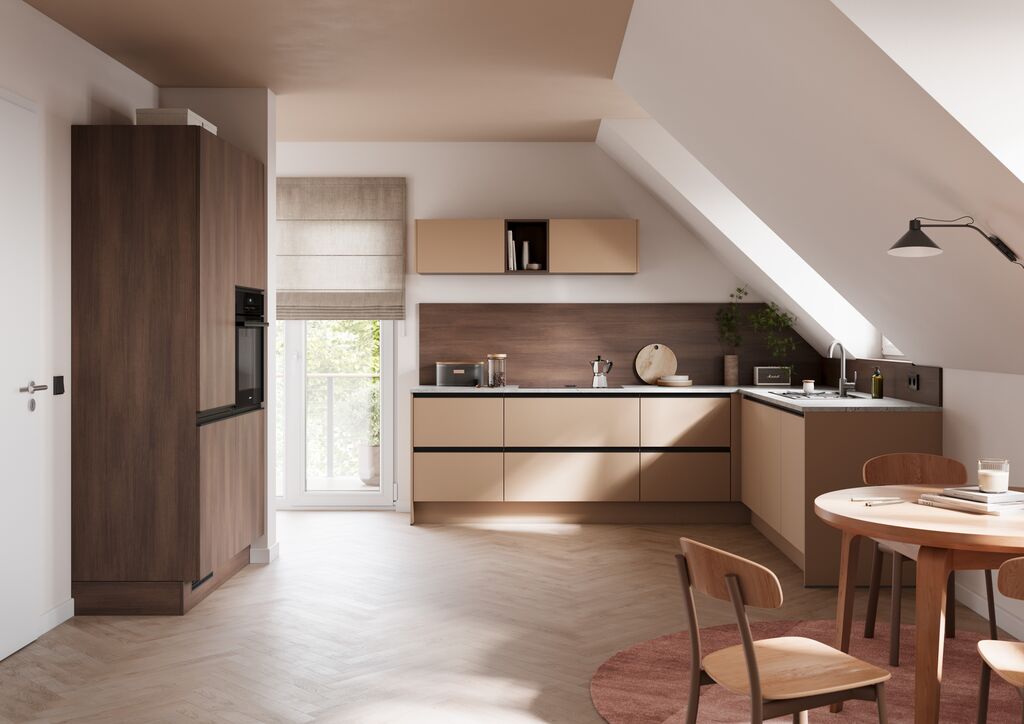
Handleless Impuls kitchen with matt fronts and a recessed opening rail

Designed and fitted across all of mainland scotland

Handleless kitchens

A handleless kitchen strips the room back to clean, uninterrupted lines. No handles to catch a hip or a tea towel, and nothing to date the design in ten years time. Most of our Impuls ranges are available in a handleless configuration, opened either by a recessed rail or a shaped J-pull profile.
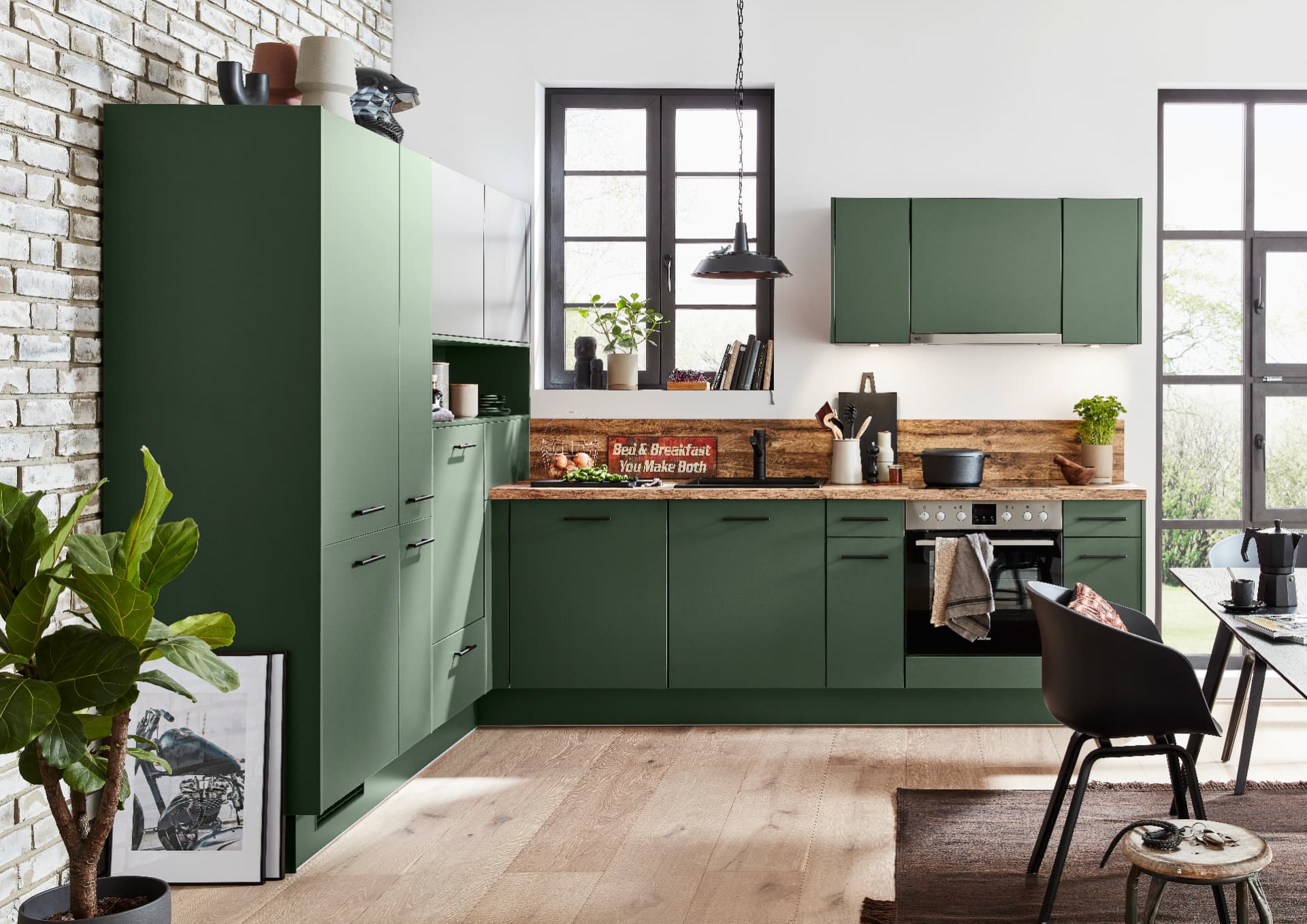
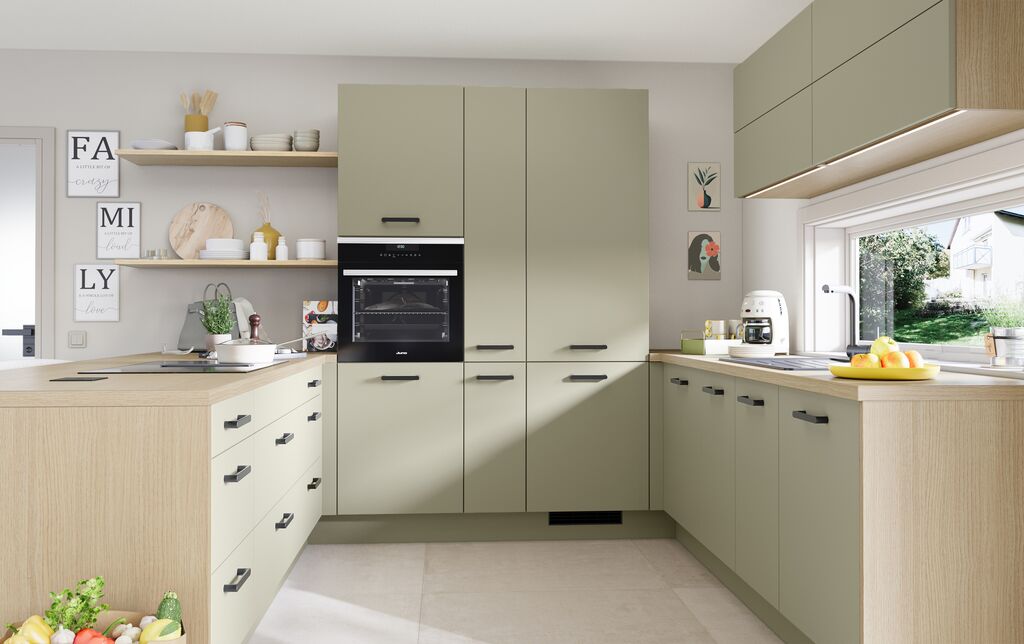
Handleless kitchens in real homes

Book an appointment or get a free quote

Tell us about the room, or upload the plans you already have, and we will come back within one working day. Our Edinburgh showroom at 24 Dalziel Place, EH7 5TP is open by appointment.

Handleless works best on German cabinetry, where door gaps are machine-consistent and the opening system is engineered into the carcase rather than added on.

Attach plans, sketches or photos (optional)

Up to 5 files, 15MB each. PDF, JPG, PNG or HEIC.

We'll only use your details to respond to this enquiry. No sales calls, ever.

What defines a handleless kitchen

  • Recessed rail or J-pull profile in place of handles, in matt black, anthracite or aluminium
  • Consistent shadow gaps across every door and drawer front, set at the factory
  • Matt lacquer, ultra-matt, woodgrain and glass fronts, all in the same handleless format
  • Tall banks and pan drawers open with a single push, which suits busy family kitchens

Worth thinking about

Rail or J-pull

A rail system gives the crispest line and a deeper grip, and suits taller runs. A J-pull is shaped into the door itself, so there is no metal to see and the fronts read as one surface.

Fingerprints and matt finishes

Ultra-matt lacquers now carry anti-fingerprint coatings, which makes dark handleless doors far more practical than they were five years ago. We will show you the actual samples before you commit.

Not every range is handleless

IP 4250 and IP 4820 are handled ranges. Every other Impuls range in our line-up can be specified handled or handleless, so pick the front first and the opening system second.

How handleless kitchens work

How a handleless kitchen actually opens

On a true rail system the doors and drawer fronts are reduced in height by roughly 30 mm, and a continuous aluminium handle profile sits behind them in that gap. You reach into the recess, grip the profile and pull - so the front face of the kitchen stays completely unbroken. The profile is a full-width grip rather than a small bar, which is why most people find it easier to use than a knob or a bar handle.

L profile or C profile

The recessed profile comes in two sections. An L profile is the more common: a simple angled ledge that gives a shallow, crisp grip and reads as the thinnest possible shadow line. A C profile wraps further back into the carcase, giving a deeper channel and a more positive grip - useful on heavy pan drawers, tall larder doors and for anyone with limited hand strength. Both can be specified in matt black, anthracite or brushed aluminium to match or contrast the fronts.

J-pull is not the same as handleless

A J-pull profile is machined into the door itself rather than sitting behind it, so the doors keep their full height and there is no metal rail. It costs less and still gives a clean look, but the grip is shallower - heavy fridge and dishwasher doors can feel awkward, and the recess collects more dust than a rail. Where you want a genuinely unbroken line and easy opening, the rail system is the better specification.

Push-to-open (true handleless)

A push-to-open kitchen removes the profile altogether: doors are full height with no grip at all, and a sprung or electric mechanism releases the front when you press it. It is the purest minimal look, but it is the most expensive route and it complicates integrated appliances, so we usually mix it in on selected units rather than the whole kitchen.

Appliances and integration

Anything that can be integrated can be made to work in a handleless design. Dishwashers are the usual pinch point - the appliance height has to work with the reduced door height and the profile above it - so the layout needs planning around the appliance schedule from the start. That is design work we do before you order, not something to solve on site.

Balanced door heights and lighting

Impuls cabinetry is built to an incremental grid, so drawer and door heights can be divided equally across a run - no mismatched lines where a tall unit meets a base run. Because the profile is a continuous channel, it can also take grip-ledge LED lighting, which washes the worktop without a single visible fitting.

Impuls ranges that suit this style

Handleless kitchens: common questions

Are handleless kitchens more expensive?

Slightly. The rail or profile is an added component and the fronts need tighter tolerances, so expect a modest uplift over the same range with handles. The bigger cost driver is the front finish and the cabinet layout, not the opening system.

Do handleless doors open easily for children or older hands?

A rail system gives a full-width grip that is often easier than a small bar handle. Push-to-open on tall units can be less predictable, so we usually keep a rail or J-pull on the doors people use most.

Are handleless kitchens hard to keep clean?

No more than a handled kitchen. There are no handles to wipe around, and the recessed profile is a smooth aluminium channel that takes a cloth easily. Ultra-matt fronts now come with anti-fingerprint coatings, which is what makes dark handleless doors practical in a family kitchen.

Can I have a handleless kitchen in a period Edinburgh flat?

Yes, and it is a common request. Handleless fronts in a soft matt tone sit quietly under a cornice and let the original features carry the room.

More detail on budgets in our kitchen buying guides.

Other kitchen styles

Where to go next